
Fuel plan · Wildstrubel by UTMB · 112 km
Wildstrubel by UTMB 112K fuel plan: 24 h 30
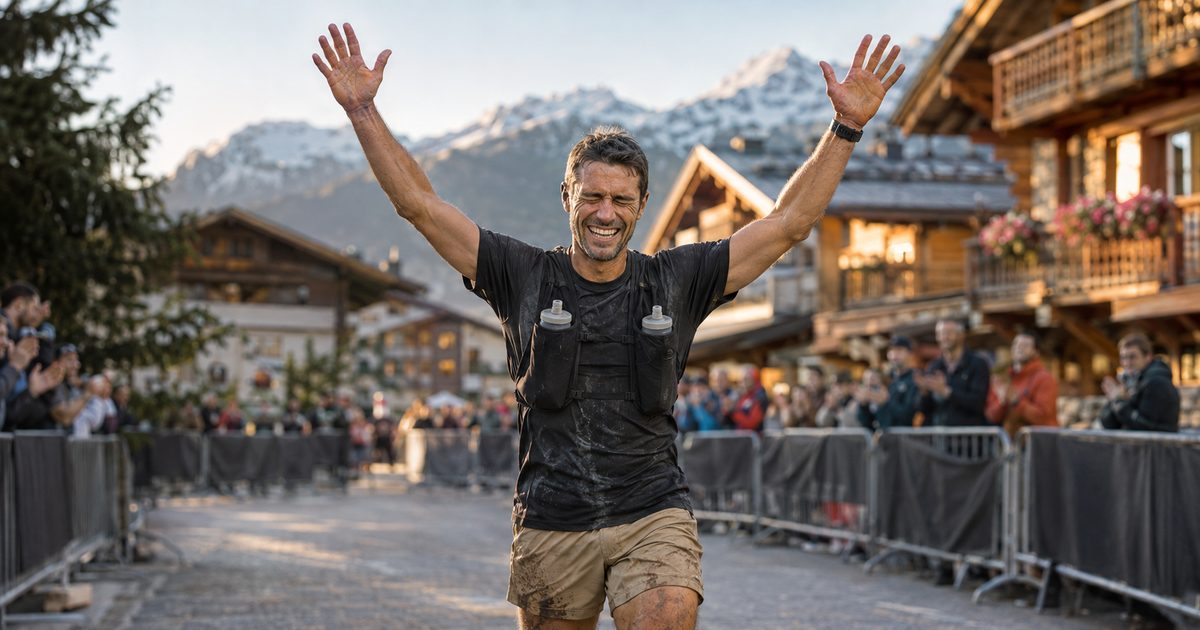
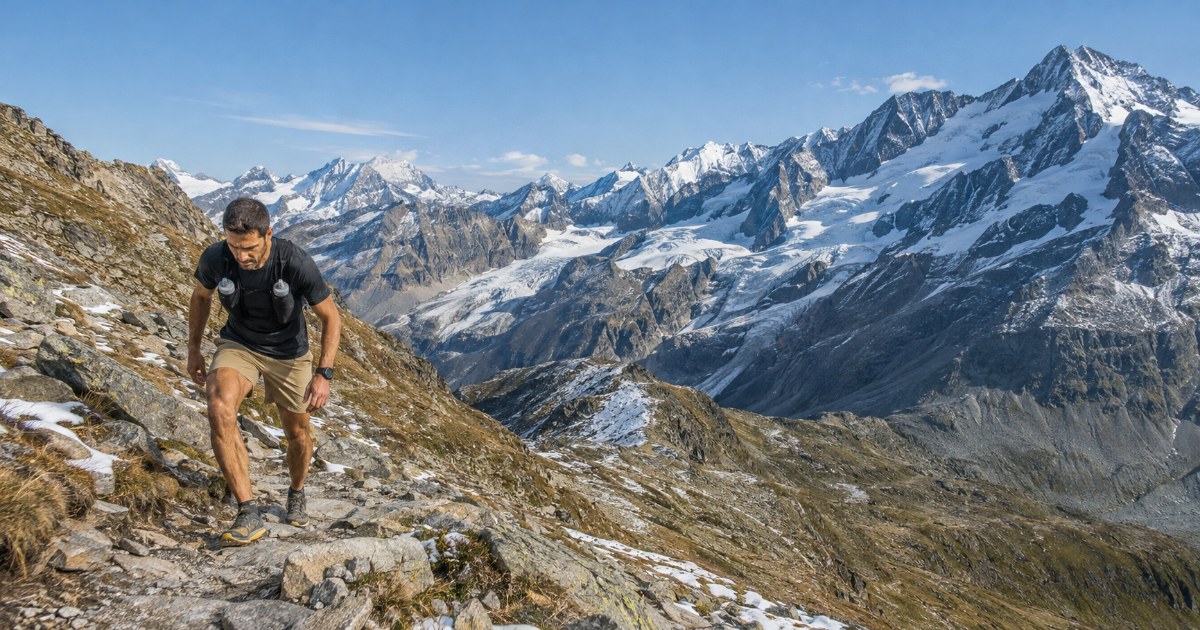
Thomas’s fuel plan for Wildstrubel by UTMB: 112 km and 6,500 m of climbing in the Swiss Alps, finishing in 24 h 30. Here are his numbers for every hour and what he carries between aid stations.
- Runner
- Thomas, 38, man
- Weight
- 74 kg
- Experience
- 9 years of running, 5 ultras before, the longest a 100K with about 5,000 m of climbing
- Training
- About 80 km a week
- Race
- Wildstrubel by UTMB, 112 km with 6,500+ m of climbing, September
- Finish
- 24 h 30, starting 06:00 and finishing about 06:30
- Conditions
- A cool start in the Swiss Alps, a warm afternoon in the valleys, near-freezing passes after dark, and one full night before a morning finish.
What are the numbers?
Worked out with the same maths as the UltraCalcPal app for a 74 kg runner, a 24 h 30 finish, moderate effort and cool weather, with altitude.
| Per hour | Whole race |
|---|---|
| 59 g carbs | 1,446 g |
| 425 ml fluids | 10.4 litres |
| 330 mg sodium | 8.1 g |
What does every hour look like?
The clock times assume a 06:00 start. After 22:00 the plan eases carbs and fluids, because appetite and thirst drop in the dark.
| Hour | Clock | Carbs | Fluids | Sodium |
|---|---|---|---|---|
| 1 | 07:00 | 59 g | 425 ml | 330 mg |
| 2 | 08:00 | 59 g | 425 ml | 330 mg |
| 3 | 09:00 | 59 g | 425 ml | 330 mg |
| 4 | 10:00 | 59 g | 425 ml | 330 mg |
| 5 | 11:00 | 59 g | 425 ml | 330 mg |
| 6 | 12:00 | 59 g | 425 ml | 330 mg |
| 7 | 13:00 | 59 g | 425 ml | 330 mg |
| 8 | 14:00 | 59 g | 425 ml | 330 mg |
| 9 | 15:00 | 59 g | 425 ml | 330 mg |
| 10 | 16:00 | 59 g | 425 ml | 330 mg |
| 11 | 17:00 | 59 g | 425 ml | 330 mg |
| 12 | 18:00 | 59 g | 425 ml | 330 mg |
| 13 | 19:00 | 59 g | 425 ml | 330 mg |
| 14 | 20:00 | 59 g | 425 ml | 330 mg |
| 15 | 21:00 | 59 g | 425 ml | 330 mg |
| 16 | 22:00 (dark) | 41 g | 340 ml | 330 mg |
| 17 | 23:00 (dark) | 41 g | 340 ml | 330 mg |
| 18 | 00:00 (dark) | 41 g | 340 ml | 330 mg |
| 19 | 01:00 (dark) | 41 g | 340 ml | 330 mg |
| 20 | 02:00 (dark) | 41 g | 340 ml | 330 mg |
| 21 | 03:00 (dark) | 41 g | 340 ml | 330 mg |
| 22 | 04:00 (dark) | 41 g | 340 ml | 330 mg |
| 23 | 05:00 | 59 g | 425 ml | 330 mg |
| 24 | 06:00 | 59 g | 425 ml | 330 mg |
The table stops at the last full hour. The final 30 minutes follow the same pattern.
What to carry between aid stations?
The legs use the average pace of the whole race, so the climbs take longer and the descents less than shown. The stations and distances are approximate: use the race's own guide for the exact ones.
| Leg | Distance | Time | Carbs | Fluids | Sodium |
|---|---|---|---|---|---|
| Start to Aid station 1 | 20 km | 4 h 23 | 258 g | 1,619 ml | 1,313 mg |
| Aid station 1 to Aid station 2 | 20 km | 4 h 23 | 258 g | 1,619 ml | 1,313 mg |
| Aid station 2 to Aid station 3 | 20 km | 4 h 23 | 258 g | 1,619 ml | 1,313 mg |
| Aid station 3 to Aid station 4 | 20 km | 4 h 23 | 258 g | 1,619 ml | 1,313 mg |
| Aid station 4 to Aid station 5 | 20 km | 4 h 23 | 258 g | 1,619 ml | 1,313 mg |
| Aid station 5 to Finish | 12 km | 2 h 38 | 155 g | 971 ml | 788 mg |